This just in from the Not In My Backyard Our Park Department: A British Columbia business association requested that a church stop handing out food donations in a park because it was attracting too many “indigent people.” I guess the association won’t go for this plan, then.
— —
Food waste and water loss are linked. The Stockholm International Water Institute (SIWI) alerted me to this troubling link in their recently released study:
In the US, for instance, as much as 30 percent of food, worth some USD 48.3 billion, is thrown away. That’s like leaving the tap running and pouring 40 trillion litres of water into the garbage can – enough water to meet the household needs of 500 million people.
— —
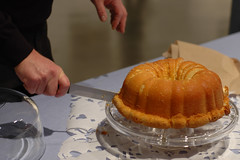
It’s a bit of a reach, but a fun reach: This cake pan could reduce food waste by baking-in slices of varying sizes.
— —
Restaurateurs in Little Rock are thinking big about the waste stream. A “waste audit” at one restaurant found dumped food was the largest portion of the waste stream and that 79 percent of the trash was recyclable.
— —
From the What Goes Around Comes Around Department: Sunday, I joked about how folks can avoid food waste by shunning brussels sprouts. Last night, I cruised by the sale produce rack, where I occasionally find cheap eats with only superficial defects. There was only one item on offer: brussels. Looks like the sprouts lobby gets the last laugh.
2 Comments