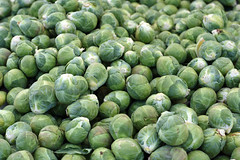
Folks often ask me how they can avoid food waste at home. After I joke that they can stop buying brussels sprouts, I suggest they serve less food on each plate. (See The Weekly Waste Word category for more tips.)Â
That way, there’s a better chance diners won’t leave behind uneaten food, much of which isn’t saved. You can always serve seconds and, it turns out, people won’t miss the larger portions.
America’s favorite food psychologist Brian Wansink provides the hard data here. As Wansink writes in his engrossing book, Mindless Eating:
In most of our studies, people can eat 20 percent less without noticing it. If they eat 30 percent less, they realize it, but 20 percent is still under the radar screen.
Smaller portions resonate on campus, where wasting food and overeating seem like double majors. In particular, the University of Massachusetts’ “Small Plate/Big Flavor” program has cut serving size by up to one-third. In June, UMass will host a conference pushing the idea, so there’s hope that it will spread.Â
The bad news: reduced portions will likely still come with larger prices due to rising food costs, inflation and the inevitable annual college price hikes. The good news: both smaller servings and increased prices will encourage less wasted food.
Comments
7 responses to “Dish Wish: Don’t Fill It”
Thanks to the NY Times, I just discovered your blog. I am not a blog-reading person, but yours is great and I will continue to read it. Food waste and overconsumption is such an epidemic in this country. I’m a former magazine food editor studying to become a Family and Consumer Science teacher (a subject that use to be called home ec.), and food and its environmental impact are important issues to me. As an educator, I hope to bring these issues to middle schoolers to help them see that they can make a difference in their future.
We’ve eaten for years now at home on salad plates instead of dinner plates. When we go out to eat we can never finish a meal, and often order just appetizers….
Betsy, welcome aboard! I’ll look forward to hearing about the
Home EcFamily and Consumer Science teaching is going. It’d be really interesting to hear what today’s kids think about food waste.Great plan, Donna–today’s salad plates are the size of yesterday’s dinner plates. And I think you’re onto something with the appetizers. They’re always the best menu items, especially with Chinese food.
In my household the food waste does not come from what goes on our plates being uneaten because we almost always clean our plates.
There is food waste in leftovers that to into the fridge but do not get eaten and produce that we purchase but do no eat before it goes bad. Also sometimes a cooking, canning or sausage making batch is bad and those are ruined as well. Also with our garden there is not always time to pick and process the items at the same time. In between the picking and the processing we lose some.
In the summer we compost fruits, vegetables and rinds but avoid anything with meat and butter in it.
Excellent site, added to favorites!!
[…] 3, 2008 · No Comments Here is a web site you MUST know about if you’re evolving your personal ecologyconsciousness. Falling into the Food Not Bombs category, Wasted Food is a mind blowing compilation about eating habits. To be precise, it’s about what we’re NOT eating, what we’re throwing away. […]
[…] Here is a web site you MUST know about if you’re evolving your personal ecology consciousness. Falling into the Food Not Bombs category, Wasted Food is a mind blowing compilation about eating habits. To be precise, it’s about what we’re NOT eating, what we’re throwing away. […]